
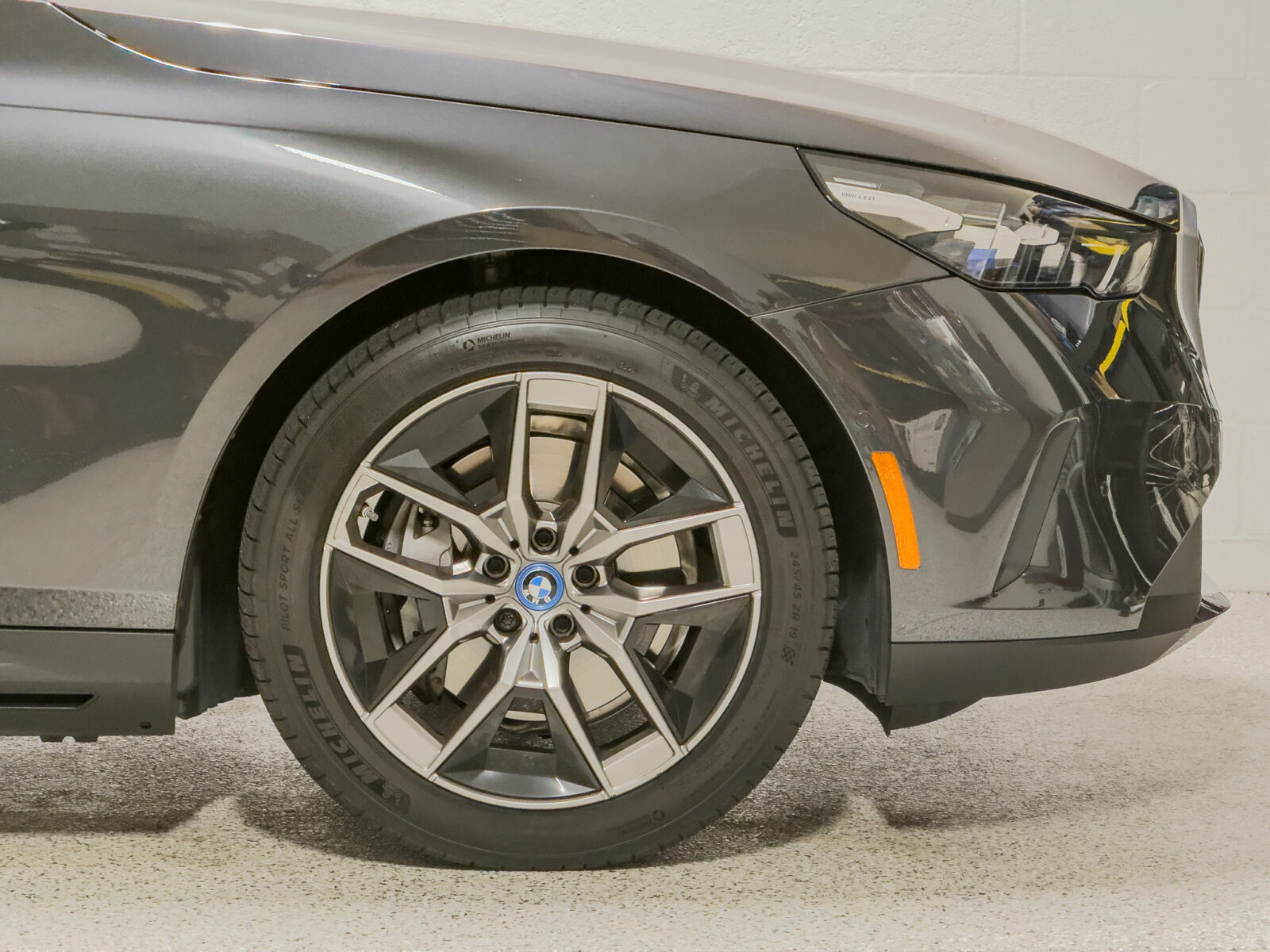

EVs pair instant torque with higher vehicle mass than many comparable gas models. That combination can accelerate tire wear, especially on the driven axle.
Case in point. My BMW i5 came from the factory equipped with Michelin e.Primacy tires. After traveling approximately 9,000 miles, the rear tires were in need of replacement. At that moment, most owners default to the same move: buy the exact OEM tire again.
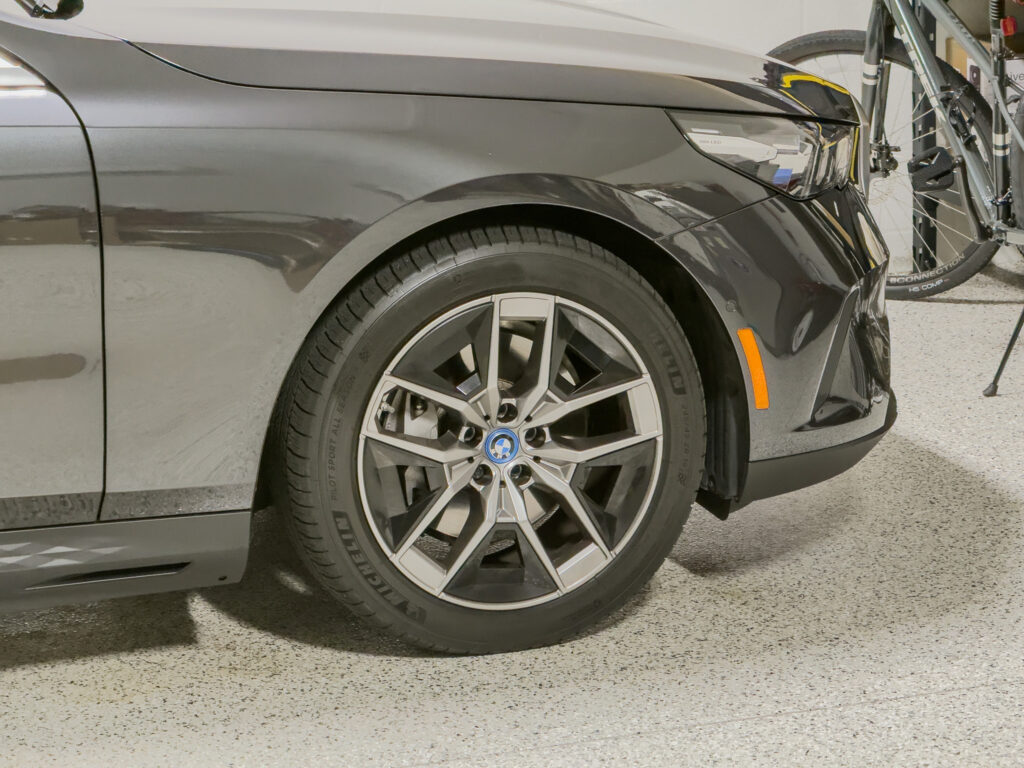
You do not have to. I conducted the research and opted for Michelin Pilot Sport All Season 4 tires on all four corners. The bigger lesson is not the specific tire I chose. It is often the smarter choice to replace OEM tires with a different option, as long as you match the right specs and understand the trade-offs.
Why EVs can burn through tires faster
EVs can be harder on tires than many drivers expect because they produce torque immediately and carry more mass. If your car is rear-drive or rear-biased, the rear tires often do the heavy lifting. Add a wider rear tire setup and limited rotation options, and the wear pattern is not exactly a surprise.
The takeaway: Fast rear wear does not automatically mean there is something wrong with the car. It often means the tire choice and your driving reality are not perfectly aligned.
The OEM tire is a choice, not a rule
OEM tires are selected to hit a target mix of efficiency, ride comfort, noise, and handling feel. On an EV, efficiency and low rolling resistance tend to sit high on that priority list.
That can be a great fit if maximizing range and keeping the cabin quiet are your top goals. But if your first set wore quickly, or you want a different balance, there is nothing sacred about repeating the factory selection.
The three specs you must match
If you only remember one part of this article, make it this: match the specs, not the brand.
Before you buy, confirm:
- Tire size: width, aspect ratio, wheel diameter
- Load rating: critical on EVs because of weight
- Speed rating: match what is appropriate for the vehicle and your use
If those are correct, you can confidently explore alternative options.
Understand the tradeoffs before you click Buy
A different tire can change the personality of the car. That is the point. It is also where owners get surprised.
Ask yourself what you want more of:
- Efficiency and range
- Grip and steering response
- Comfort and low noise
- Tread life and all weather confidence
You rarely get the absolute best of everything in one tire. You choose your priorities, then pick the tire that best supports them.
Staggered setups and why the rear tires often lose first
If your EV is equipped with a staggered setup and wider rear tires, rotation may be limited or impossible. That can accelerate rear wear and make tire life feel painfully short.
In that case, the ownership playbook is straightforward: stay disciplined with tire pressure, keep alignment in check, and select a tire that matches your expectations for grip, efficiency, and longevity.
My swap: from Michelin e.Primacy to Pilot Sport All Season 4
With the rears worn at about 9,000 miles, I chose not to re-buy the Michelin e.Primacy. I went with Michelin Pilot Sport All Season 4 tires on all four corners.
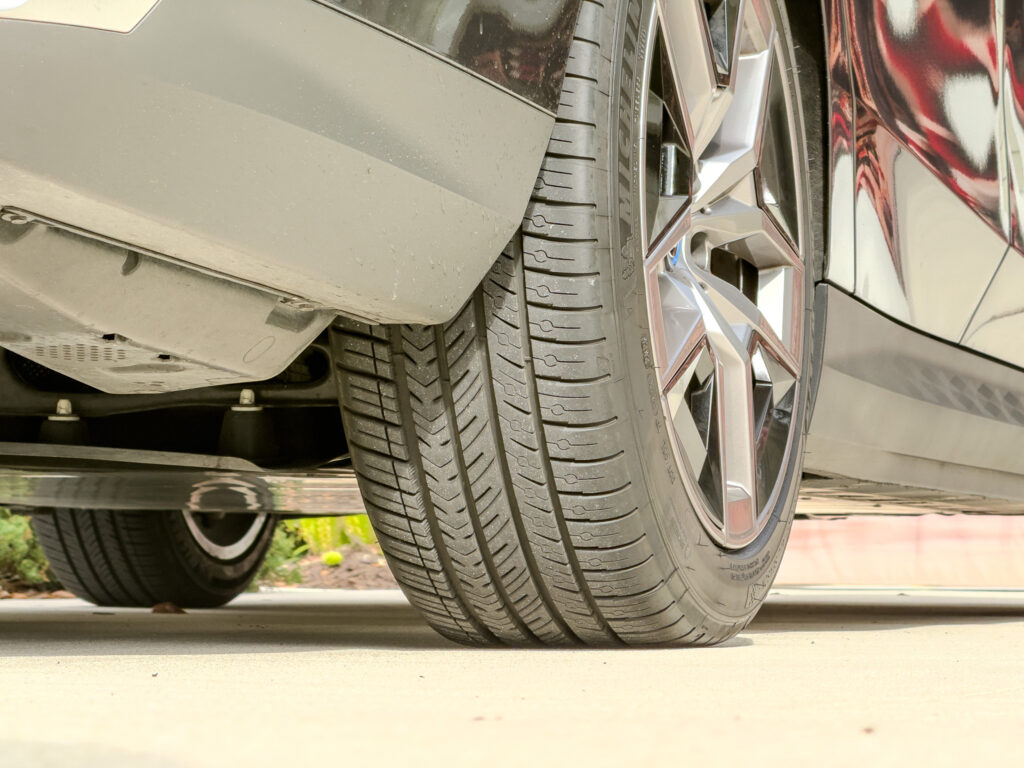
Why? I wanted a different balance than the OEM setup delivered. For me, that meant leaning toward an all-season performance tire approach rather than an efficiency-first tire.
Again, the headline is not that this is the only good option. The headline is that the switch itself is normal, and often the right move.
Quick checklist: replacing EV tires the smart way
Use this every time, and you will avoid the common mistakes:
- Confirm your exact size, load rating, and speed rating from the existing tire and your door jamb placard
- Decide your priority order: efficiency, grip, comfort, noise, tread life
- Choose the tire category that matches those priorities
- Replace in pairs at a minimum, or all four if you want a consistent feel and response
- Set pressures correctly and check them regularly
- If your wear looks uneven, get an alignment check before you ruin the next set
Bottom line
It is completely acceptable to replace OEM tires with other options on an EV. The key is fitment discipline and clear priorities. Match the specs, understand the tradeoffs, and choose the tire that fits how you actually drive your car.